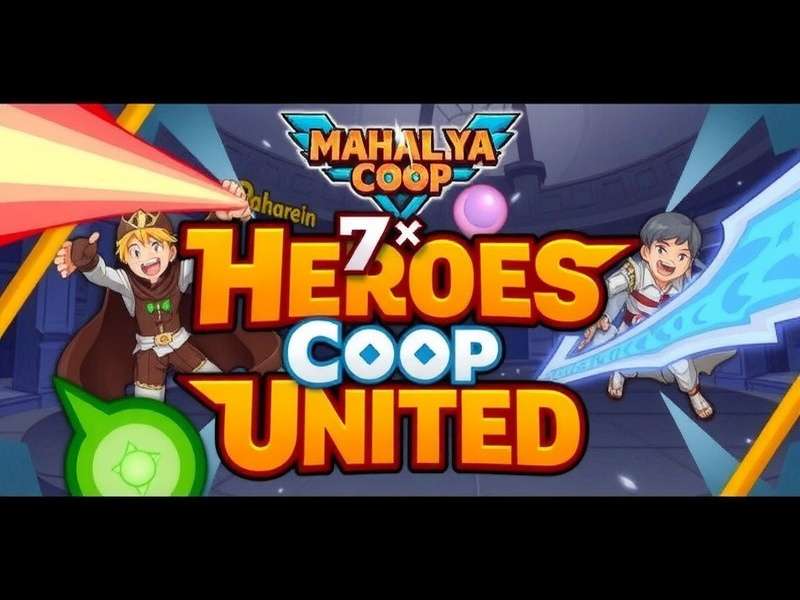
Mahalaya Coop Heroes United has emerged as India's most beloved cooperative mobile game since its launch during Diwali 2022. Developed by Pune-based studio UnitySparks, this game blends traditional Indian mythology with modern cooperative gameplay mechanics, creating an experience uniquely tailored for Indian players.
The game's name draws inspiration from Mahalaya, the auspicious occasion preceding Durga Puja in Bengal, symbolizing new beginnings. This cultural resonance has helped Mahalaya Coop Heroes United achieve remarkable success across India, particularly in West Bengal, Maharashtra, and Tamil Nadu.
India-Specific Statistics
Download Count: 12.7 million (as of March 2024)
Daily Active Users: 2.4 million
Peak Concurrent Players: 850,000 during festivals
Player Retention: 68% after 30 days
Most Popular Region: West Bengal (32% of players)
Cooperative Gameplay Mechanics
At its core, Mahalaya Coop Heroes United features 4-player local and online cooperative modes where players team up to overcome challenges inspired by Indian epics. The game supports:
Local Multiplayer: Up to 4 devices on same WiFi network
Online Co-op: Cross-platform play between Android and iOS
Async Co-op: Help friends by completing tasks when they're offline
Festival Modes: Special cooperative challenges during Indian festivals
Unique Indian Gameplay Elements
The developers have incorporated culturally relevant mechanics:
Rangoli Puzzles: Color-matching challenges based on traditional floor art
Diwali Fireworks: Coordinate timing to create spectacular displays
Holi Color Battles: Team-based color throwing competitions
Monsoon Challenges: Work together to navigate flooded streets
Heroes of Indian Mythology
Mahalaya Coop Heroes United features a diverse roster of 24 playable characters drawn from Indian epics and folklore, each with unique abilities:
Top 5 Most Popular Characters
Arjuna (Mahabharata): Master archer with precision shots
Durga (Devi Mahatmyam): Multi-armed warrior with elemental powers
Hanuman (Ramayana): Super-strong with aerial attacks
Vishwamitra (Rishi): Magic caster with reality-bending spells
Tantia Tope (Freedom Fighter): Melee specialist with sword skills
The game's character design team worked closely with historians and mythologists to ensure authentic representation while making characters accessible to modern gamers.
Indian Localization Features
Mahalaya Coop Heroes United stands out for its comprehensive localization efforts beyond mere language translation:
Regional Versions
Region
Unique Features
Launch Date
West Bengal
Durga Puja special levels, Bengali voiceovers
Sep 2022
Tamil Nadu
Pongal festival challenges, Carnatic music
Jan 2023
Punjab
Bhangra dance mini-games, Lohri bonfire levels
Mar 2023
Language Support
The game offers full voice acting and text in 12 Indian languages:
Hindi
Bengali
Tamil
Telugu
Marathi
Gujarati
Kannada
Malayalam
Odia
Punjabi
Assamese
Urdu
Indian Player Community
Player Reviews & Ratings
With an average rating of 4.7/5 on Google Play Store, Indian players praise:
"Finally a game that understands Indian festivals! The Diwali level was magical." - Priya S., Mumbai
"Co-op with family during Holi was so much fun. We laughed for hours!" - Rajesh K., Chennai
"Local multiplayer works perfectly even on my old phone. Great optimization!" - Anita P., Kolkata
Community Features
The game includes several India-specific community features:
Festival Leaderboards: Regional competitions during holidays
Language-Based Clans: Clans formed around regional languages
Live Events: Developer Q&A sessions during major festivals
Indian Player Strategies
Top 5 Indian Player Tips
Festival Timing: Play during local festivals for bonus rewards
Language Teams: Form teams with players who speak the same language for better coordination
Regional Updates: Check the game's Indian social media for region-specific events
Offline Co-op: Use local multiplayer when internet is slow
Cultural References: Pay attention to mythological clues in levels
Pro Player Insight
"The key to mastering Mahalaya Coop Heroes United in India is understanding our cultural context. For example, during Monsoon season events, players from flood-prone areas like Mumbai and Kolkata often develop the best strategies for water-based challenges because they're familiar with the real-world conditions." - Arjun "The Myth" Singh, Professional Gamer